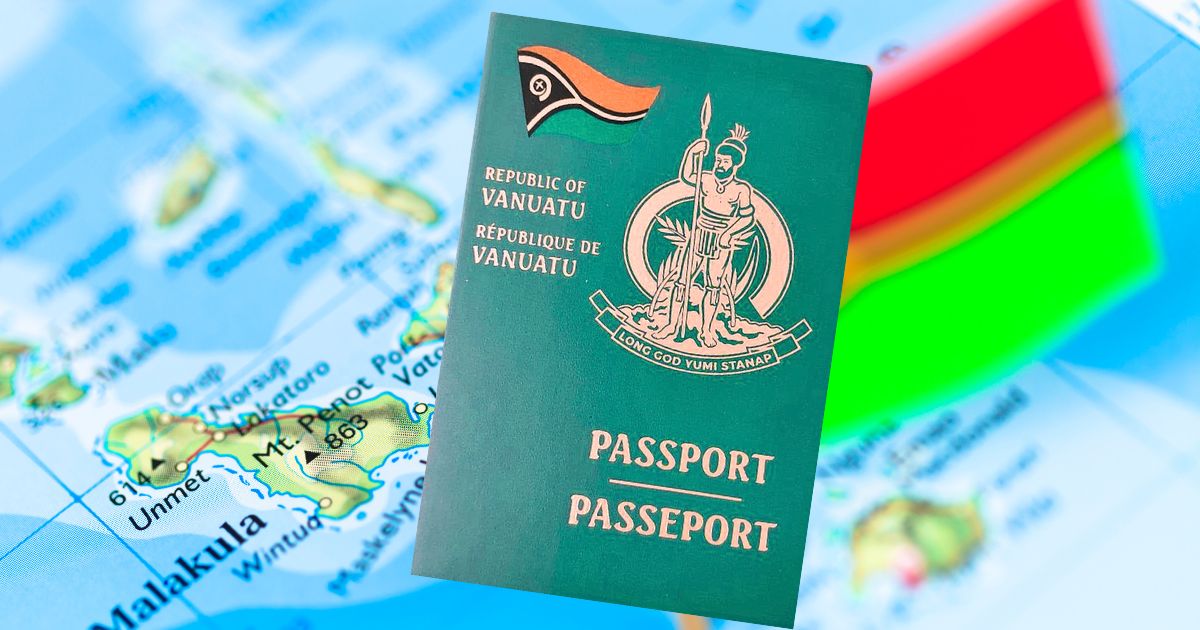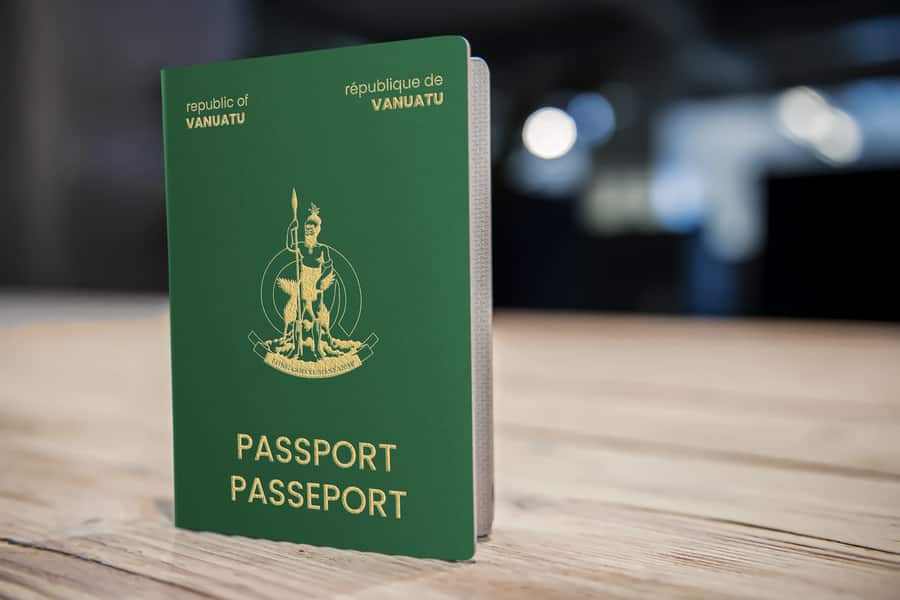

Choosing between Vanuatu and Caribbean citizenship by investment programs represents one of the most significant decisions for global investors seeking second citizenship. Both regions offer compelling advantages, from visa-free travel to tax optimization, yet they differ substantially in processing times, costs, and strategic benefits. This comprehensive comparison examines the key factors that distinguish these popular citizenship options to help you determine which aligns best with your personal and financial objectives.
Processing Speed and Application Efficiency
One of the most striking differences between Vanuatu and Caribbean citizenship programs lies in their processing timelines. Vanuatu's Development Support Program stands out for its exceptional speed, typically granting citizenship within 30 to 60 days from application submission. This rapid turnaround makes it the fastest citizenship by investment program globally, appealing to investors who require urgent travel documents or need to establish residency quickly for business purposes.
Caribbean programs, while still relatively efficient compared to traditional immigration routes, generally require longer processing periods. Antigua and Barbuda, Dominica, Grenada, St. Kitts and Nevis, and St. Lucia each process applications within three to six months on average. The extended timeline reflects more comprehensive due diligence procedures and administrative processes that vary by jurisdiction.
For investors prioritizing immediate mobility or facing time-sensitive business opportunities, Vanuatu's accelerated processing presents a clear advantage. However, those who can afford a longer wait may find the additional scrutiny in Caribbean programs provides enhanced credibility and international recognition.
Investment Requirements and Financial Considerations
The financial commitment required for citizenship varies significantly between Vanuatu and Caribbean nations, with each program structured to meet different investor profiles and budgets.
Vanuatu Investment Thresholds
Vanuatu's Development Support Program requires a minimum contribution of $130,000 for a single applicant, with additional fees for family members. The program offers straightforward pricing with no real estate investment option, focusing exclusively on government fund contributions. This structure provides clarity and eliminates ongoing property management responsibilities.
Caribbean Program Costs
Caribbean citizenship programs present more varied investment pathways:
- Dominica — Offers the most affordable option starting at $100,000 for a single applicant through its Economic Diversification Fund
- St. Lucia — Requires a minimum $100,000 donation to the National Economic Fund
- Antigua and Barbuda — Sets contributions at $100,000 for a family of up to four members
- Grenada — Demands $150,000 for a single applicant or $200,000 for a family of up to four
- St. Kitts and Nevis — Requires $250,000 to the Sustainable Growth Fund for a single applicant
Beyond donation options, most Caribbean programs offer real estate investment alternatives, typically requiring purchases of $200,000 to $400,000 in approved properties. These investments must be held for three to seven years depending on the jurisdiction, potentially offering returns but also carrying market risks and management obligations.
Travel Freedom and Visa-Free Access
Passport strength remains a primary consideration for citizenship investors, as visa-free travel directly impacts business efficiency and lifestyle flexibility. Both Vanuatu and Caribbean passports provide substantial global mobility, though with notable regional variations.
Vanuatu passport holders enjoy visa-free or visa-on-arrival access to approximately 130 countries and territories. This includes the United Kingdom, Russia, Hong Kong, and Singapore — destinations particularly valuable for Asian and Eastern European investors. However, Vanuatu citizenship does not currently provide visa-free access to Canada or the Schengen Area, which may limit appeal for those with strong European business ties.
Caribbean passports generally offer broader access to approximately 140 to 150 destinations, including the Schengen Area for up to 90 days within any 180-day period. Grenada stands out among Caribbean options as the only citizenship by investment program offering visa-free access to China, while also providing eligibility for the United States E-2 investor visa — a significant advantage for entrepreneurs seeking to establish or expand American business operations.
The strategic value of a second passport extends beyond simple visa counts; the specific destinations accessible without advance authorization often matter more than the total number of countries on the list.
Regional Advantages
Geographic considerations influence passport utility significantly. Vanuatu's location in the South Pacific provides strategic advantages for investors focused on Asia-Pacific markets, with strong access to regional economic centers. Caribbean passports, conversely, offer superior connectivity to European and North American markets, reflecting historical Commonwealth ties and regional trade agreements.
Tax Implications and Financial Privacy
Both Vanuatu and Caribbean jurisdictions structure their tax systems to attract international investors, though specific provisions and enforcement vary considerably across programs.
Vanuatu operates a territorial tax system with no personal income tax, capital gains tax, inheritance tax, or wealth tax for residents or citizens. This comprehensive tax-neutral environment appeals to high-net-worth individuals seeking to optimize their global tax position legally. Additionally, Vanuatu does not participate in the Common Reporting Standard (CRS), providing an additional layer of financial privacy, though this status may change as international pressure for tax transparency increases.
Caribbean nations similarly offer favorable tax regimes, with most imposing no taxes on worldwide income, capital gains, or inheritance for non-resident citizens. However, several Caribbean jurisdictions have implemented CRS reporting requirements, which means financial institutions in these countries automatically exchange account information with tax authorities in other participating jurisdictions. This transparency may concern some investors, while others view it as evidence of legitimate international cooperation that enhances program credibility.
Tax planning should never be the sole driver of citizenship decisions, and investors must consider their specific circumstances, existing tax residencies, and compliance obligations in their countries of origin. Professional tax advice remains essential, as citizenship alone does not eliminate tax obligations in countries that tax based on citizenship (such as the United States) or in jurisdictions where you maintain substantial economic ties.
Due Diligence Standards and Program Reputation
The international reputation of citizenship by investment programs directly affects passport utility and holder credibility. Enhanced scrutiny from global financial institutions and immigration authorities makes program integrity increasingly important.
Caribbean citizenship programs have operated for decades, with St. Kitts and Nevis establishing the first modern program in 1984. This longevity has allowed Caribbean nations to refine due diligence procedures, establish international relationships, and build recognition among global institutions. Most Caribbean programs now employ multi-tiered background checks, including international database searches, Interpol verification, and enhanced scrutiny for politically exposed persons.
Vanuatu's program, while newer, has undergone significant reforms to strengthen due diligence following international concerns. The government has implemented stricter application reviews, enhanced background checks, and improved cooperation with international partners. These reforms aim to address earlier criticisms and align Vanuatu's standards with international best practices.
Recent developments have seen both regions face external pressure regarding program integrity. The European Union has expressed concerns about citizenship by investment programs generally, leading to enhanced monitoring and, in some cases, visa policy adjustments. Investors should consider not only current passport benefits but also the likelihood of sustained international acceptance and potential future restrictions.
Making Your Decision
Selecting between Vanuatu and Caribbean citizenship ultimately depends on your specific priorities, timeline, and long-term objectives. Consider these key decision factors:
- Evaluate your urgency — if you need citizenship within weeks rather than months, Vanuatu's processing speed provides unmatched efficiency
- Assess your travel patterns — determine which destinations matter most for your business and personal life, then compare visa-free access accordingly
- Consider your budget comprehensively — factor in not just initial contributions but also due diligence fees, legal costs, and potential ongoing obligations
- Examine tax implications — consult with qualified tax advisors about how each citizenship would affect your global tax position
- Think long-term — consider program stability, international reputation, and the likelihood of sustained benefits over decades
Both Vanuatu and Caribbean citizenship programs offer legitimate pathways to second citizenship with substantial benefits for global investors. The "better" choice depends entirely on your individual circumstances, priorities, and strategic objectives. Whether you prioritize speed, specific travel destinations, tax optimization, or program heritage, understanding these distinctions enables informed decision-making that aligns with your long-term vision. To discuss which citizenship by investment program best suits your unique situation and receive personalized guidance through the application process, contact our experienced advisors today.