
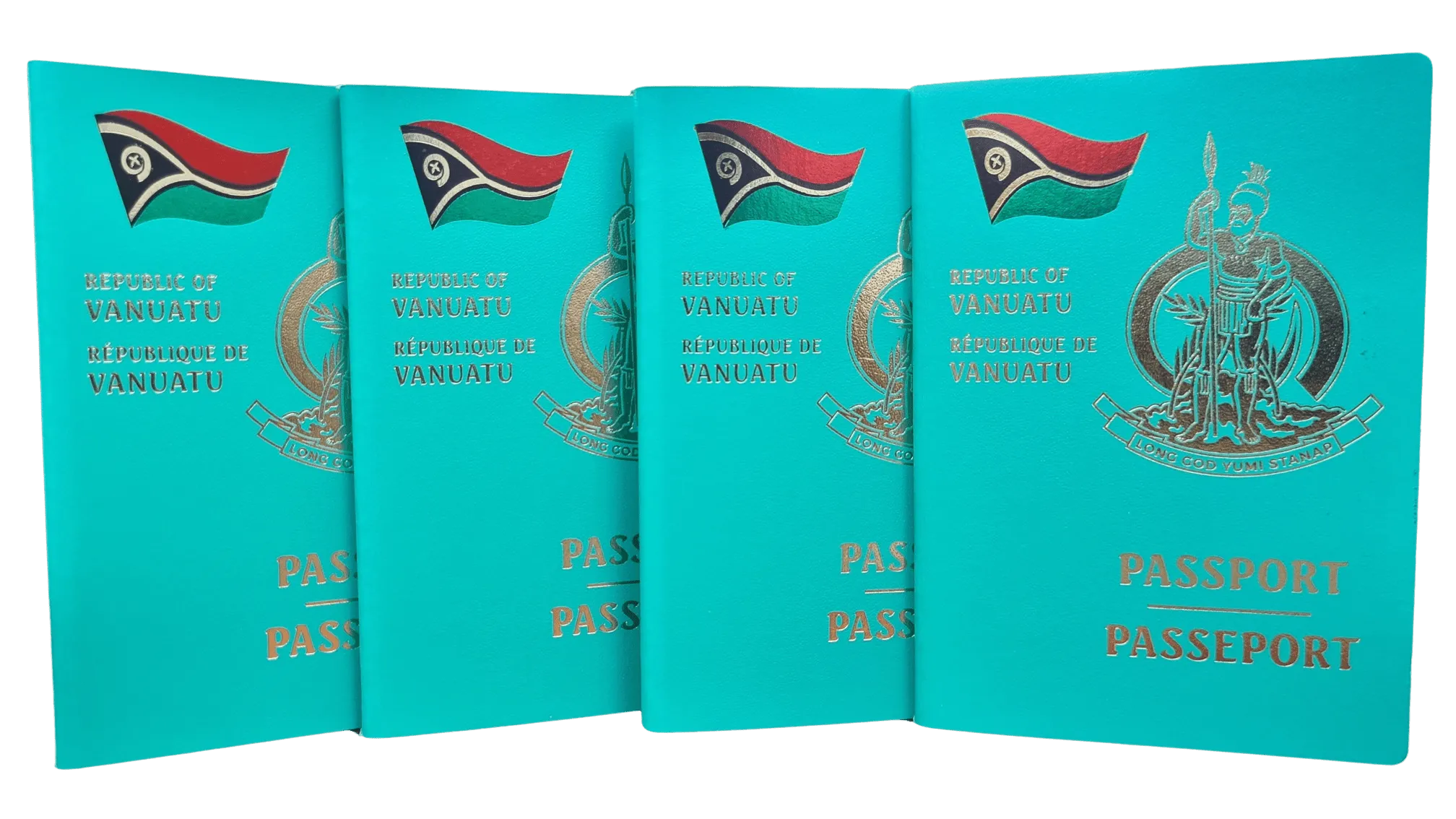
The Vanuatu Development Support Program operates one of the most rigorous due diligence frameworks in the citizenship by investment industry, despite processing applications in 30–60 days. Understanding what background checks are required—and how to prepare for them—can mean the difference between approval and rejection for prospective citizens.
Multi-Tiered Vetting Architecture
Vanuatu's due diligence system involves multiple layers of verification conducted by both domestic authorities and international partners. The Citizenship Commission and Financial Intelligence Unit (FIU) coordinate background investigations, while external firms perform enhanced due diligence on all applicants regardless of nationality or contribution level.
Unlike programs that rely solely on in-house vetting, Vanuatu mandates the involvement of internationally recognized due diligence firms with access to global databases. This third-party verification layer was strengthened following the program's brief suspension in 2022 and subsequent reforms that elevated compliance standards to meet evolving international expectations.
Primary Documentation Requirements
Every applicant aged 16 and over undergoes individual background screening. The government requires certified copies of police clearance certificates from every country where the applicant has resided for more than twelve months since age 18. These certificates must be issued within six months of application submission and include both criminal and pending case status.
Additional mandatory documents include notarized bank reference letters covering at least five years of banking history, detailed curriculum vitae with verifiable employment records, and source of wealth declarations with supporting evidence such as tax returns, business ownership documents, or inheritance papers.
Database Screening and Intelligence Cross-Referencing
Background investigators screen all applicants against multiple international databases, including Interpol notices, United Nations sanctions lists, terrorism watchlists, and financial crime repositories. This process examines not just the applicant's name but also known aliases, business associations, and family connections that might present reputational or security risks.
The World-Check database—one of the industry's most comprehensive risk intelligence platforms—forms part of the standard screening protocol. Investigators also verify professional credentials, academic qualifications, and business registrations through independent channels to detect fraudulent documentation.
Enhanced Scrutiny Triggers
Certain profiles automatically trigger enhanced due diligence protocols that extend investigation timelines and require additional documentation:
- Previous visa refusals or immigration violations in any jurisdiction
- Business operations in high-risk sectors including cryptocurrency, gaming, or arms trade
- Wealth originating from countries under international sanctions
- Political exposure at national or regional government levels
- Connections to individuals or entities under investigation
Enhanced screening doesn't constitute automatic disqualification but requires applicants to provide substantially more documentation explaining circumstances, business relationships, and fund origins.
What Disqualifies Applicants
Vanuatu maintains clear grounds for citizenship denial based on background check findings. Criminal convictions resulting in imprisonment exceeding six months lead to automatic rejection, as do pending criminal charges in any jurisdiction. The definition extends beyond violent crimes to include fraud, corruption, tax evasion, and money laundering offenses.
Immigration violations carry significant weight in assessment decisions. Previous deportations, falsified visa applications, or overstays in other countries often result in denial even when applicants meet financial requirements. The Citizenship Commission views immigration compliance history as indicative of future conduct.
Applicants occasionally underestimate how thoroughly investigators examine business histories and professional associations. A single undisclosed directorship in a company later involved in litigation can derail an otherwise straightforward application, regardless of the applicant's direct involvement.
Reputational Risk Assessment
Beyond legal violations, Vanuatu evaluates reputational factors that could damage the program's international standing. This subjective assessment considers media coverage, business practices in ethically questionable industries, and associations with controversial figures or regimes. Applicants with significant negative media exposure face heightened scrutiny even absent formal charges.
Preparing for Successful Due Diligence
The most successful applications share common characteristics: complete transparency, proactive disclosure, and meticulous documentation. Applicants should disclose all potentially relevant information upfront rather than allowing investigators to uncover undisclosed facts during background checks. Omissions raise more concerns than disclosed issues with reasonable explanations.
Organizing source of wealth documentation chronologically with clear narrative explanations helps investigators verify legitimacy efficiently. Tax compliance records demonstrating consistent filing history in home countries substantially strengthen applications, as does documentation of philanthropic activities or professional reputation.
Working with experienced advisors familiar with Vanuatu's specific requirements reduces processing delays and rejection risk. Professional guidance helps applicants understand which aspects of their background might trigger additional questions and how to address concerns proactively through the Vanuatu Citizenship Application Process. To ensure your application meets current due diligence standards, contact our advisory team for a confidential preliminary assessment.
The thoroughness of Vanuatu's background checks reflects the program's commitment to maintaining its visa-free access privileges and international reputation. Applicants who approach the process with full transparency and comprehensive documentation typically navigate due diligence successfully within the standard processing timeline.