Yes, Vanuatu officially recognises dual citizenship. This wasn't always the case. A landmark legal change in 2013 opened the door, allowing foreign nationals to acquire citizenship—most often through investment—without being forced to renounce their original nationality. This article breaks down the legal fine print, what it takes to apply, the rights you gain (and lose), and the practical steps to get it done.
Key Takeaways
- Legal Basis: The country's stance is cemented in law. The Constitution (Sixth) (Amendment) Act No. 27 of 2013 specifically updated Article 13 of the Vanuatu Constitution to recognise dual citizenship.
- Primary Pathway: For most foreign nationals, the main route is the Development Support Program (DSP), a government-run citizenship by investment initiative.
- Key Restriction: There's a big catch. Dual citizens are constitutionally barred from holding public office or participating in Vanuatu's political life, which includes voting in any national elections.
- No Residency Required: Applicants using the DSP program don't need to live in or even visit Vanuatu to obtain or keep their citizenship.
- Processing Timeline: If your paperwork is perfect, the entire process—from submitting your initial file to holding a passport—can be wrapped up in about 2-3 months.
What is the Legal Basis for Dual Citizenship in Vanuatu?
The foundation for dual citizenship in Vanuatu is solid, written directly into its highest law. Before 2013, the country’s laws were far more restrictive and generally prevented citizens from holding a second nationality.
That all changed with the Constitution (Sixth) (Amendment) Act No. 27 of 2013. This pivotal law directly altered Article 13 of the Vanuatu Constitution, inserting a simple but powerful phrase: the Republic of Vanuatu "recognises dual citizenship." This constitutional mandate is the definitive legal source, not just a temporary policy.
After this constitutional shift, the Citizenship Act [Cap 112] and its regulations were updated to build out the necessary procedures. Now, the Vanuatu Citizenship Office and the Citizenship Commission are the government bodies that manage these rules, processing all applications and formally granting citizenship based on this clear legal authority.
How Do You Apply for Vanuatu Citizenship by Investment?
For most foreign nationals, the pathway to a Vanuatu passport is through a government-approved investment program. The main one is the Development Support Program (DSP). This isn't a DIY process; it is highly structured and must be managed through a government-approved agent.
The application journey follows clear, regulated steps:
- Engage an Authorised Agent & Initial Checks: First, you must choose and hire an agent officially licensed by the Vanuatu government. The agent performs initial checks and helps assemble your preliminary file. This file, along with a non-refundable US$5,000 due diligence fee, gets submitted to the government's Financial Intelligence Unit (FIU).
- FIU Due Diligence: The FIU conducts a thorough background check on you and any family members included in the application. This is a critical security step meant to protect the program's integrity, and any red flags here can derail the entire application. The check usually takes about two weeks and, if successful, results in a "no adverse findings" confirmation, which acts as a green light to proceed.
- Full Application and Approval: With FIU clearance in hand, your agent submits the complete application to the Screening Committee and then the Citizenship Commission. The Commission reviews everything and, assuming all requirements are met, issues an "Agreement in Principle" (AIP).
- Investment and Oath: Once you receive the AIP, you are required to make the full investment contribution. After the government confirms it has received the funds, you must take an Oath of Allegiance. This can often be done remotely via a secure video link or at a Vanuatu consulate, so you don't have to travel to the country.
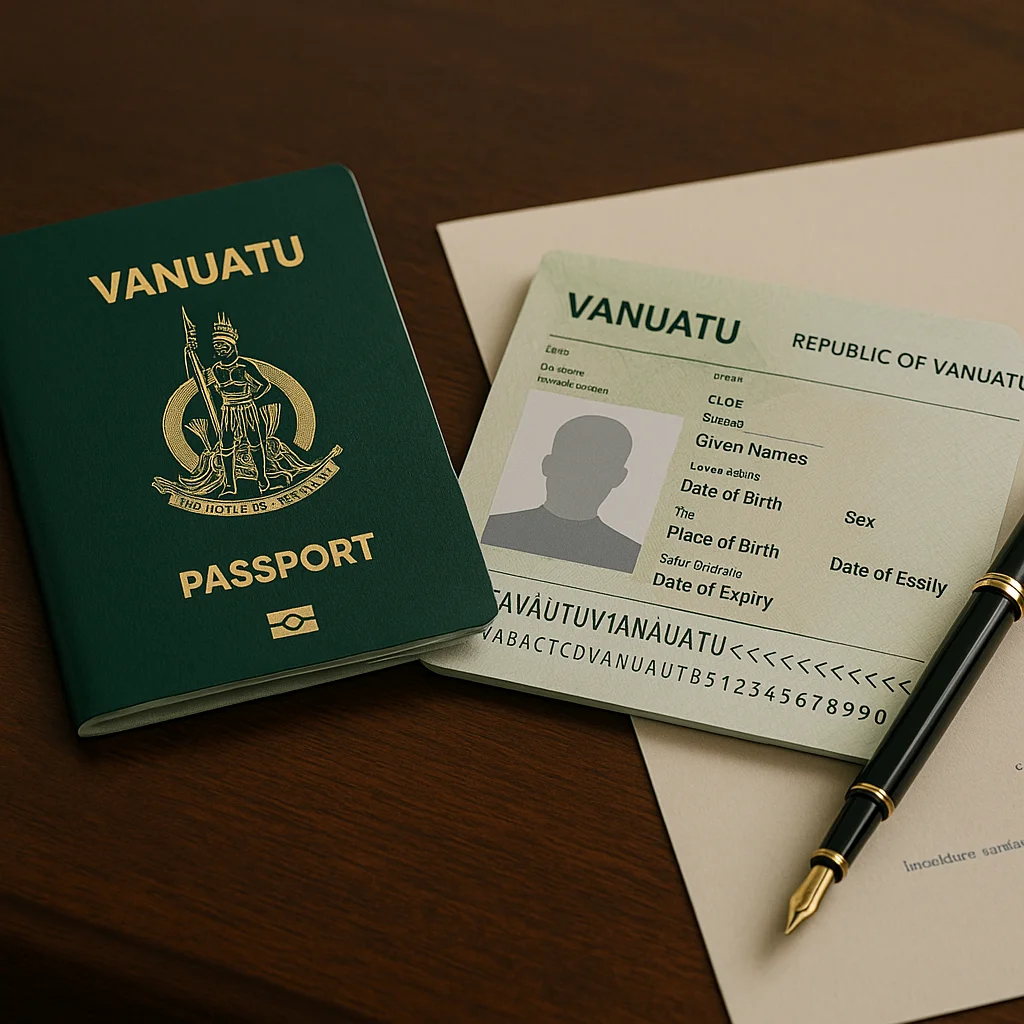
- Citizenship Certificate and Passport: After the oath is taken, you are issued a Certificate of Vanuatu Citizenship. With that certificate, you are officially a citizen and can immediately apply for your Vanuatu passport.
Application Timeline under the Development Support Program (DSP)
| Stage | Responsible Body / Actor | Approximate Timeline | Key Outcome |
|---|---|---|---|
| 1. Initial Submission & Due Diligence | FIU / Authorised Agent | 1–2 Weeks | FIU "No Adverse Findings" Letter (Pre-approval) |
| 2. Full Application Review | Citizenship Commission | 2–3 Weeks | Agreement in Principle (AIP) Issued |
| 3. Investment & Final Approval | Applicant / Government | 1 Week | Confirmation of Investment Received |
| 4. Oath of Allegiance & Certificate | Commissioner of Oaths | 1–2 Weeks | Certificate of Citizenship Issued |
| 5. Passport Application & Issuance | Passport Office | 1 Week | Vanuatu Passport in Hand |
| Total Estimated Time | - | 6–9 Weeks | Full Citizenship and Passport |
The entire process is built for speed. If you are well-prepared and have a clean record, you can realistically expect to go from initial submission to holding a passport in less than three months.
What are the Benefits and Restrictions for Dual Citizens?
Vanuatu citizenship offers powerful advantages, but it's crucial to understand the constitutional limits that come attached for dual nationals.
What are the benefits of Vanuatu citizenship?
The core benefits are mobility and security. A Vanuatu passport grants visa-free access to many destinations, simplifying international travel. It also serves as a stable "Plan B" citizenship in a peaceful, developing Commonwealth nation. On top of that, Vanuatu has an exceptionally favourable tax regime, with no personal income tax, capital gains tax, wealth tax, or inheritance tax for either residents or non-residents.
What is the Vanuatu passport visa-free countries list?
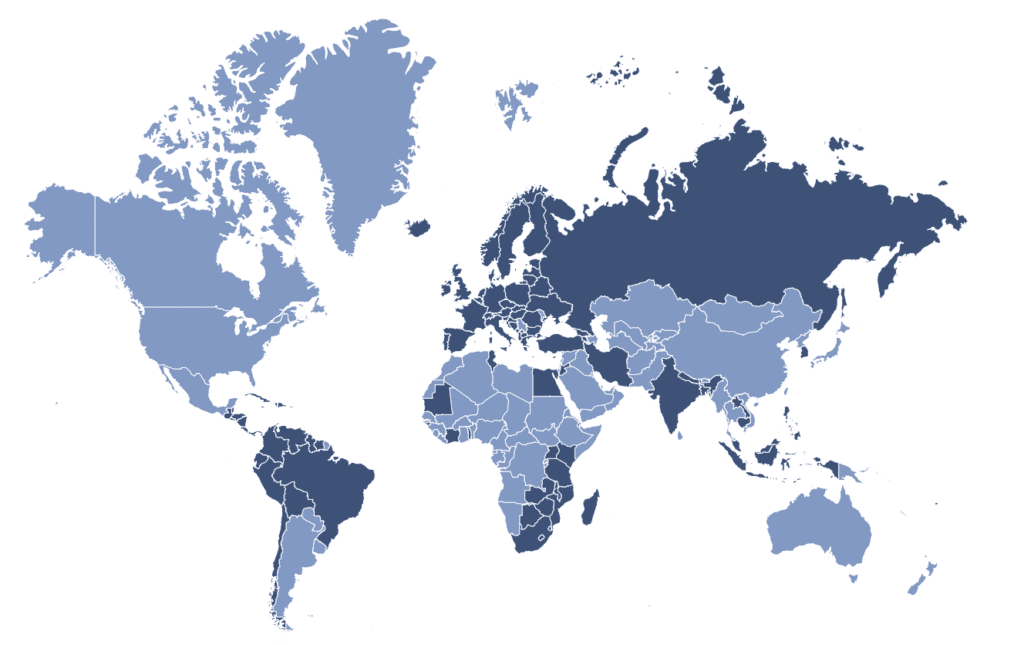
As of 2026, a Vanuatu passport provides access to around 100 countries and territories without needing a visa in advance. This includes coveted destinations like the United Kingdom, the entire Schengen Area of Europe, Hong Kong, Singapore, and Russia. Keep in mind, this list is not static. It changes based on shifting diplomatic agreements, so you should always verify entry requirements before you travel.
What are the Constitutional Restrictions?
The same law that enables dual citizenship also imposes clear, non-negotiable restrictions. Article 13(3) of the Constitution is blunt: a person holding dual citizenship is not allowed to:
- Hold any public office.
- Be involved in Vanuatu's politics.
- Run as a candidate in any parliamentary, provincial, or municipal election.
- Vote in any national, provincial, or municipal election.
It is also mandatory for anyone who acquires a second nationality to register their dual-citizen status with the Citizenship Commission. This isn't just a suggestionit’s a required step to formalize your status and ensure you are in full compliance with Vanuatu's laws.
What Are the Key Requirements for Applicants?
The Government of Vanuatu is selective. It protects the integrity of its citizenship programs with strict eligibility criteria. Every applicant must meet these core requirements:
- Financial Standing: The main applicant must prove a personal net worth of at least US$250,000. It's not enough to just have the money; you must also provide clear evidence that the funds for the investment come from a legitimate, lawful source. Vague or poorly documented sources of wealth are a common reason for application rejection.
- A Clean Criminal Record: Every applicant over 18 needs to provide police clearance certificates from their country of origin. You'll also need one from any other country where you've lived for more than a year in the last decade. Any criminal conviction will almost certainly lead to disqualification.
- Good Health: You and any dependents must pass a medical exam and submit a certificate confirming good health and the absence of any serious communicable diseases.
- No Prior Denial: If you have previously been denied citizenship by another country's Citizenship by Investment (CBI) program, you may be considered ineligible for Vanuatu's program as well. Honesty is critical here, as this information is often shared between CBI-offering nations.
Does Vanuatu have residency requirements?
No. This is a major advantage of Vanuatu's DSP. There is absolutely no physical residency requirement. You do not need to visit or live in Vanuatu before, during, or after the application is processed to get or keep your citizenship. The whole thing, oath included, can be handled from your home country.
⚠️ Time is critical — every day matters
Get a free case assessment
Our team specialises in cases with an international element. We review applicable treaties, assess risks, and prepare an action plan.
This article is published by an independent law firm for informational purposes only and does not represent or claim affiliation with any government body, international organization, or official authority.
Considering this programme?
Get a free, confidential consultation about eligibility, cost and the process.
Book a free consultationFrequently asked questions
Does Vanuatu recognise dual citizenship?
Vanuatu's programme is generally used as a second citizenship; confirm current rules before applying.
Will my home country allow it?
That depends on your own country's law — some restrict or prohibit dual citizenship, so verify locally.
Do I have to give up my current passport?
Vanuatu does not generally require renunciation, but your home country's rules may differ.
Can dual citizenship pass to my children?
Family inclusion and descent rules vary; check the programme and your home-country law.